In our first concert we return to the music of Vitĕzslava Kaprálová. Following the success of her Military Sinfonia (which we performed in 2023), the Suita Rustica (1938) was commissioned by the Universal Edition London. Premiered in Brno in 1939 its three movements build on Czech folk songs and dances.
Mahler's First Symphony, sometimes known as the ‘Titan’ symphony completes our programme. As with the Suita Rustica, the music draws on songs and dances and weaves popular and folk influences into a large-scale classical form.
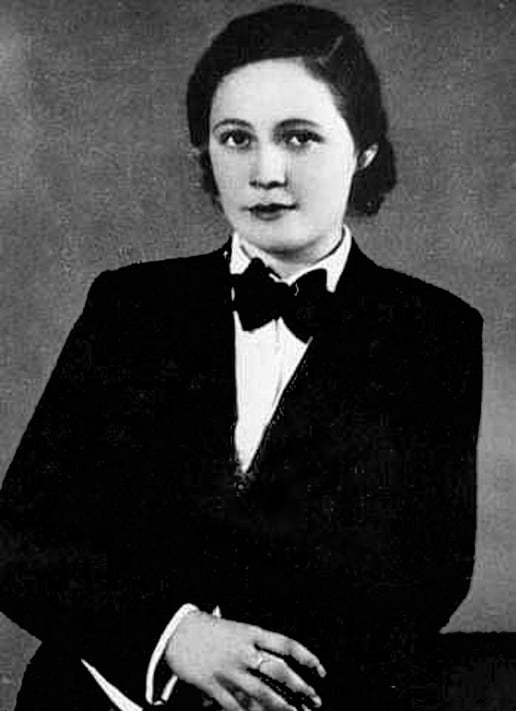
Doreen Carwithen’s Bishop Rock overture was written in 1953 and depicts the bleak stormy seas around a lighthouse in the Atlantic.
Amy J Payne joins us for Elgar's song cycle Sea Pictures. Written after the Enigma Variations, it was premiered in 1899 and is based on five poems by different authors, each offering a different response to the ocean.
The evening finishes with César Franck's best known orchestral work, the Symphony in D minor in which themes recur throughout the three movements.
A Viennese connection runs through all the pieces in this concert. We start and ends with waltzes: Dvořák’s jubilant Prague Waltzes follow the Viennese example popularized by the Strauss family, and we conclude with Johann Strauss II's evergreen Blue Danube waltz.
We are delighted to welcome RNCM’s high flying pianist, Sean Godden, who will play Beethoven’s iconic Emperor Concerto which was composed in 1809, the year of the French siege and occupation of Vienna.
Brahms's Variations on a Theme of Joseph Haydn, or St Anthony Variations, originally written for two pianos, had its first performance of the orchestral version on 2 November 1873 by the Vienna Philharmonic Orchestra.
For our final concert soprano Jeni Bern will sing Holst’s early and unjustly neglected work with text by Walt Whitman, The Mystic Trumpeter.
Walton and Vaughan Williams complete an English first half. The Spitfire Prelude and Fugue was written originally for the 1942 film The First of the Few whilst Vaughan Williams' Five Variants of Dives and Lazarus was commissioned in 1939 from the British Council to be played at the 1939 World’s Fair in New York City.
Our season concludes with Tchaikovsky's Second Symphony. Nicknamed the 'Little Russian', it was composed in the summer of 1872 when Tchaikovsky was staying with his sister's family in Kamenka, Ukraine and uses several Ukrainian folk tunes (Ukraine was then colloquially called 'Little Russia').